
-
The Mystery of True Love: Mahjong Bakuhatsu Junjouden
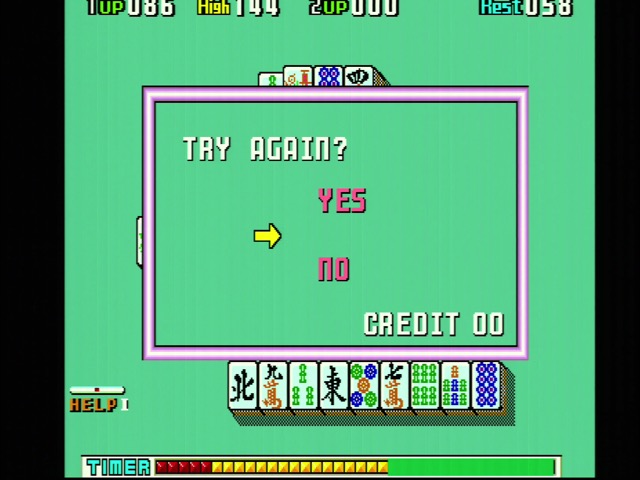
Sometimes, an innocent-seeming game can have a deeper rabbit hole than you think. Mahjong Bakuhatsu Junjouden seems to be a normal Nichibutsu strip mahjong game, on somewhat earlier hardware than Koi no Magic Potion. But there’s some weird stuff going on beneath the surface, with a lot more variations than I’d expect even from Nichibutsu. So let’s take a quick look.
-
Idol Mahjong Final Romance: A Slideshow Disguised as a Video Game
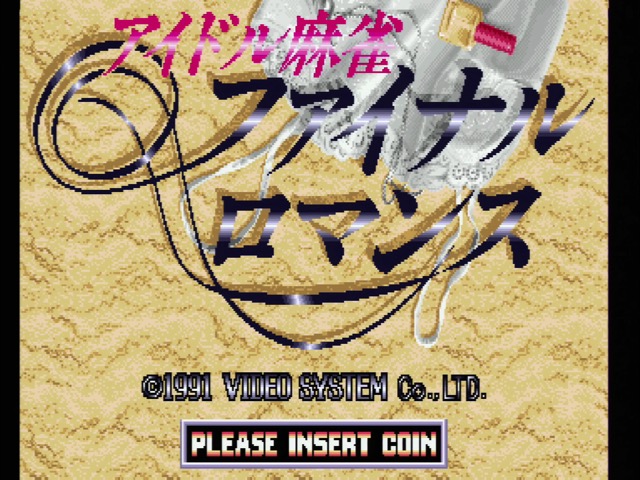
We’re back into the strip mahjong games today, here going back to 1991. Video System is a company that’s probably best known in retro-gaming circles for Aero Fighters/Sonic Wings, but mahjong games (usually branded Idol Mahjong) were one of their bigger moneymakers. And there’s something interesting going on here– Idol Mahjong Final Romance 2-R-4 Special re-releases the final three games in the series, which all also got contemporary console releases, but the first game in the series has never been seen outside of its original arcade launch. Why?
-
The Brick Game, through the Ages
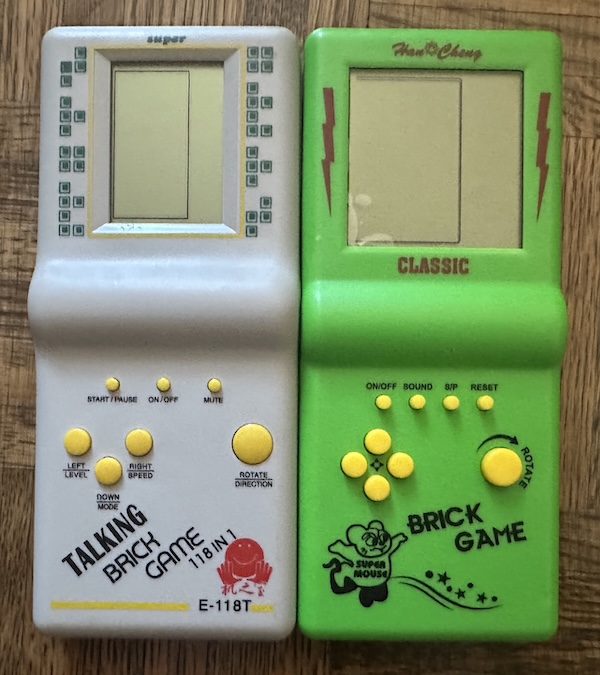
What do you think about gaming in the late 90’s – early 2000’s? The PlayStation? The Nintendo 64? Maybe later SuperFX SNES games like Yoshi’s Island? Well, too bad. You’re not getting any of those, but you can get a portable game console in a church fundraiser. No, it’s not a Game Boy Color either, but hey, it’s got hundreds of games built right in! How bad could it be?
-
Composite Video on the NES: Why's it so wobbly?
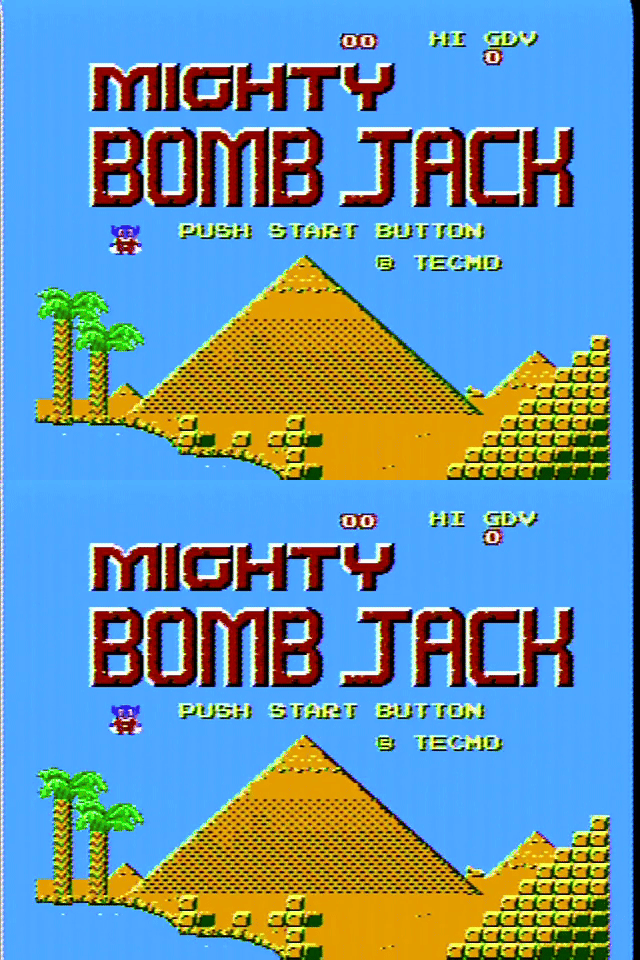
The Nintendo Entertainment System. Is it the platonic ideal of an 8-bit video game system? Well, only because it’s so prominent and successful– it’s actually kind of an oddball in its expandability and design. But there’s something else about it. The picture is a bit… wobbly. Well, over composite video anyway. Let’s dig in and learn a little big more about the nitty-gritty of composite video.
-
How a Konami Cabinet Stays on Target: Target Panic!
We’ve seen a few test PCBs now; games that were only sold alongside Japanese arcade cabinets to satisfy a law requiring a minimum amount of functionality. Sega gave us Dottori-kun, a remake of Head-On; Taito gave us Mini-Vaders, another retro throwback. But what about Konami? Let’s test out our system with Target Panic!
-
The Truth about Sega's TradeMark Security System (TMSS)
I’m bringing out the truth about TMSS! Admit it! Sega never made a game console that can’t play that region’s release of Phantasy Star II, and it’s time to show exactly what that means and why. Let’s dig into the technical nitty-gritty of one of the biggest flops in console licensing history. Spoilers: It’s a little more complicated than you think, at least in Japan.
-
You Need a PC for PC Games: Sunsoft's Shanghai
There’s a problem with my current series on mahjong games– when I say “mahjong”, people in my home country of the United States of America probably don’t think of the 2-4 player competitive game. They think of the single-player tile-matching game, Mahjong Solitaire, also known as Shanghai, beloved of office-workers and casual gamers everywhere. And that’s popular in Japan too; popular enough to get arcade releases. How did Sunsoft bring Shanghai to arcades? Why is that even a question worth asking?

1 / 28
Next